How to Choose a Dune Buggy That Fits Your Dubai Desert Plans
Choosing the right dune buggy is less about picking the boldest-looking vehicle and more about matching the drive to your plans. Dubai desert terrain can shift from firm tracks to soft sand within a short stretch, so the choice affects comfort, control and how much of the route you actually enjoy. Start with the basics, then narrow the decision with a few practical checks.
Decide what kind of drive you want
Begin by setting the tone of the outing. A short introduction to the desert suits a smaller buggy with manageable power, clear controls and a straightforward seating layout. A longer route across open dunes calls for stronger performance, better suspension and a vehicle that stays comfortable over changing ground. If you want a photographer, a route with planned stops or a more structured route, a guided tour option may be the better fit than a self-drive format.
Think about who is riding too. Children, older passengers or anyone sensitive to heat and dust may prefer a vehicle with shaded seating, good visibility and fewer sharp movements. A group with several experienced drivers may want separate vehicles rather than one shared ride, since turning the wheel often takes away from the experience.
Check the vehicle against the terrain
The desert is not a flat car park. Soft sand, steep crests and uneven tracks place different demands on an off-road vehicle. Ask what kind of route the buggy is intended for, and pay attention to tyre condition, suspension response and ground clearance. A vehicle that looks aggressive but sits low can struggle where sand builds up under the chassis.
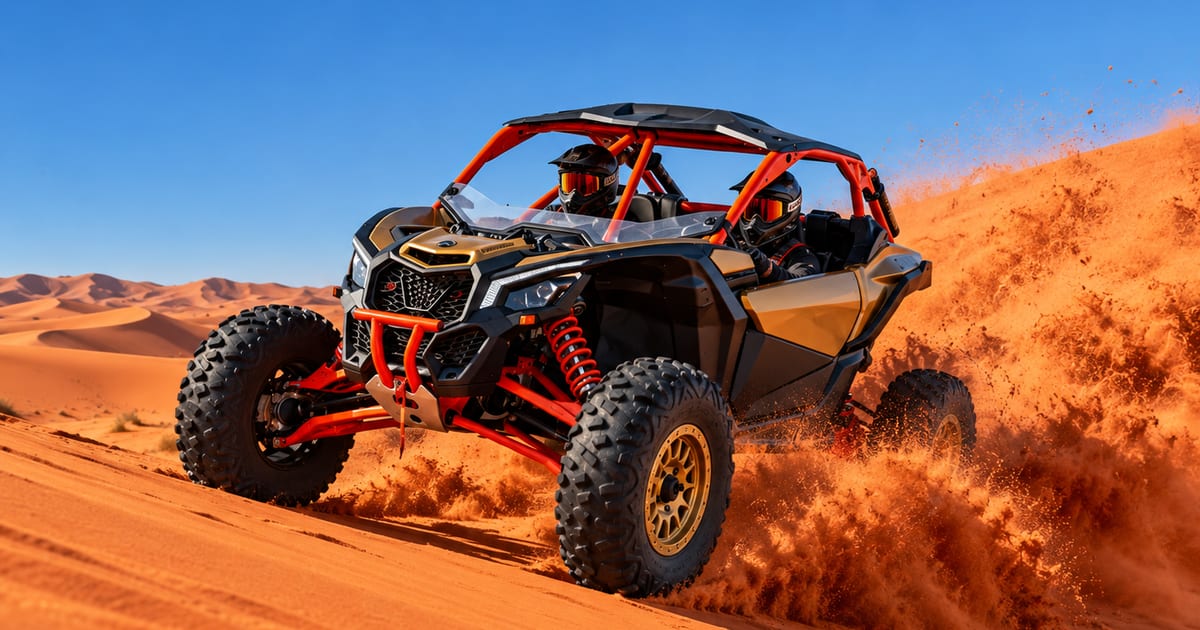
buggy horsepower matters, but it is not the only measure of a good choice. More power can help on climbs, yet it also demands steady handling, especially for new drivers. A balanced buggy with responsive steering and a controlled throttle often feels easier to manage than an overpowered one. If the route includes technical sand dune navigation, confidence and control count for more than speed.
Read the rental terms before you commit
Once a vehicle type makes sense, move to the paperwork. A clear agreement should state the rental period, pickup and return points, the included route or mileage limits, and what happens if the schedule changes. Look closely at the fuel policy, because some arrangements expect the buggy back with the same fuel level, while others include fuel in the package. Knowing this in advance avoids an awkward end to the day.
A damage waiver is another point to read carefully. It may reduce what a renter pays after certain types of damage, but it usually has exclusions. Ask how claims are handled, what counts as driver fault and whether rollover or underbody damage is treated differently. A fair waiver does not remove the need for careful driving, and no document should replace sensible judgement on the dunes.
When comparing options for desert buggy rental dubai, check whether the quoted package includes safety gear, route guidance and any required deposit. These details can change the value of an offer as much as the headline rate. A lower price with unclear terms may cost more in the end if extras are added later.
Confirm the safety setup
Before choosing, make sure the buggy has the right safety equipment for the ride. A safety harness should fit properly across the shoulders and lap, with no loose straps or twisted webbing. Passengers should be able to brace comfortably, and drivers should reach the pedals and steering wheel without stretching. If the vehicle has doors, nets or side protection, check that they are secure and easy to use.

Visibility also deserves attention. Dust can build up in a convoy, and low sun can make dunes hard to read. Clean screens, working lights and a clear view ahead help the driver react calmly. If the buggy has a roll cage, check that it looks properly fitted and undamaged. Any mechanical concern should be reported before the ride begins, and repairs should be left to a qualified professional rather than handled casually.
Weather conditions can change the feel of a desert drive. Strong wind lifts sand, rain can soften tracks and midday heat makes long stops uncomfortable. Ask how conditions are assessed and whether routes change when the sand is difficult. A provider that treats weather as part of planning is usually easier to deal with than one that simply sends every vehicle out on the same route.
Match the package to your experience
Be honest about driving ability. Sand driving is not the same as driving on tarmac, and momentum, steering angle and throttle control all matter. New drivers often benefit from a briefing and a calm route with fewer difficult climbs. Experienced off-road drivers may prefer more open terrain, but still need clear boundaries and an understanding of local rules.
Ask whether a brief orientation is included before the drive. A good orientation covers how the buggy behaves in sand, how to approach a crest, what to do if the vehicle slows in soft ground and how to keep a safe gap from others. It should also explain hand signals, stopping points and what to do if the group separates. If no orientation is offered, that does not automatically rule out an option, but it puts more responsibility on the driver to prepare.
For families or mixed groups, consider whether another desert buggy rental dubai package offers a calmer route or a shorter duration. The aim is not to squeeze the most dunes into a fixed time. It is to choose a pace that leaves everyone comfortable and confident.
Compare value, not just appearance
When two buggies look similar, the better choice is usually the one with clearer terms, safer setup and a route that suits the group. Compare what is included: driving time, route stops, safety gear, guidance, fuel arrangements and any extra charges. Read the small print on late returns, cancellations and damage responsibility before paying.
Also consider the practical side of the day. Easy pickup arrangements, clear meeting instructions and a simple return process reduce stress around the drive itself. The best option is not always the largest vehicle or the most technical route. It is the one that fits the passengers, the terrain and the level of experience, with terms that are easy to understand before the engine starts.